Have you ever wondered whether someone can secretly record a conversation with you? Maybe you are discussing something important at work, talking to a friend, or having a disagreement. With smartphones making recording easier than ever, it is a reasonable question. However, the law does not treat every recording the same way. Whether someone can legally record you without permission depends on several factors, including where you are, who is involved, and how the recording is used.
The Law Depends on Where You Live
Recording laws vary from one country to another, so there is no single rule that applies everywhere. Some places allow a person participating in a conversation to record it without informing the other participants. Other places require everyone involved to agree before recording begins. The rules may also differ depending on whether the conversation happens in person, over the phone, or online. Before recording someone, check the laws that apply in your location rather than assuming it is automatically allowed.

Are You Part of the Conversation?
One important question is whether you are recording a conversation you are personally involved in or secretly listening to other people. Some places allow participants to record conversations without getting permission from everyone involved. However, this rule does not apply everywhere. Recording a conversation you are not part of may raise additional legal concerns, particularly if you use a device to listen to a private discussion without permission. Always consider the circumstances before recording anyone.
Recording in Public Is Not Always Allowed
Being in a public place does not automatically mean someone can record every conversation without restrictions. For example, recording a public speech may raise different legal concerns from secretly capturing a private discussion between two people. The circumstances, expectations of privacy, and the way the recording is used can all matter. If you are recording in a shop, workplace, or public event, consider whether people are being recorded for a legitimate reason and whether privacy rules apply.
What About Recording Conversations at Work?
Workplace recordings can create additional legal problems, especially when they involve employees, managers, or confidential business information. An employee might want evidence of unfair treatment, while an employer might record a meeting to keep an official record. However, the purpose of the recording does not automatically make it lawful. Workplace policies, privacy obligations, and confidentiality rules may affect whether recording is permitted. Before secretly recording a meeting, consider the possible consequences and whether there is another way to document what happened.
Can You Share a Recording Without Permission?
Recording a conversation and sharing it are two different things. Even if you have a recording, posting it online or forwarding it to other people could raise separate privacy, confidentiality, or data protection concerns. This is particularly important when the recording contains personal information or details about someone’s private life. Before sharing a recording, consider why you want to disclose it, who will receive it, and whether you have a lawful reason to do so.
Can a Secret Recording Be Used in Court?
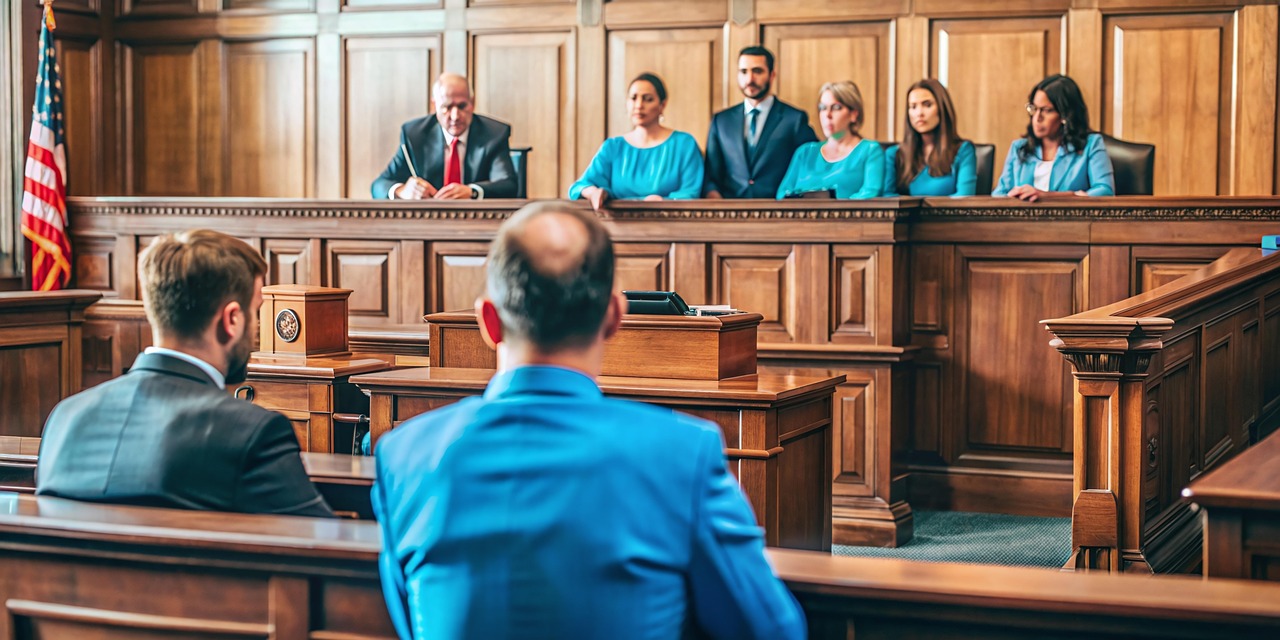
People sometimes record conversations because they want proof of a threat, workplace dispute, or agreement. However, making a recording does not guarantee that a court will accept it as evidence. A court may consider how the recording was obtained, whether it is relevant, and the rules governing evidence in that particular case. A recording’s possible usefulness in court also does not automatically make the original recording lawful. If the matter is serious, seek advice from a qualified lawyer before relying on secretly recorded material.
What Should You Do Before Recording Someone?
The safest approach is to check the laws that apply to your location and situation. When possible, tell the other person you want to record the conversation and explain why. If they object, do not assume you can simply continue recording. For workplace, business, or legal matters, consider getting professional advice before proceeding. Keeping written notes, saving relevant messages, or requesting an official meeting record may also help you document an important conversation without creating unnecessary privacy concerns.
Whether someone can legally record a conversation without permission depends on the applicable laws and circumstances. Before pressing the record button, consider privacy, consent, and how you intend to use the recording. When in doubt, ask for permission and seek legal advice.
